
Completing residential treatment can bring renewed hope, improved insight and healthier ways to cope. Leaving treatment also means adjusting to daily life without the same structure and therapeutic support.
The structure, routine, and therapeutic support available in residential treatment are no longer present in the same way. Individuals are once again faced with everyday stressors, familiar environments, relationship dynamics, and the responsibilities of daily life. Navigating these challenges while maintaining recovery can be difficult, particularly during the early months following treatment.
What Is Aftercare?
Aftercare refers to the ongoing support available to individuals after they have completed a residential treatment programme. It is designed to help people maintain the progress they made during treatment while adjusting to life outside of a structured therapeutic environment.
The transition back into everyday life is not always straightforward. Many individuals encounter challenges that test the coping strategies they developed in treatment. Having access to continued support can provide encouragement, accountability, and a sense of connection during this period.
Why Is Aftercare Important?
Research consistently demonstrates that the period immediately following residential treatment can be one of the most vulnerable stages of recovery.
Some of the reasons aftercare is valuable include:
- Reducing feelings of isolation.
- Encouraging ongoing engagement with recovery principles.
- Providing opportunities for peer support and shared understanding.
- Offering a space to discuss challenges and successes.
- Reinforcing motivation and accountability.
Recovery is rarely a linear process. There may be setbacks, periods of uncertainty, and moments of significant personal growth. Continued support can help individuals navigate these experiences more effectively.
Common Challenges After Leaving Treatment
Returning to Familiar Environments
Individuals often return to places associated with previous substance use. These environments can trigger emotional responses, cravings, or old patterns of behaviour.
Learning to navigate these situations while maintaining recovery requires awareness, planning, and support.
Rebuilding Relationships
Addiction can place significant strain on relationships. Trust may need to be rebuilt, communication patterns may require change, and family members may still be processing their own experiences.
Repairing relationships often takes time and patience.
Managing Stress Differently
Many people entering treatment have relied on substances to cope with stress, discomfort, or emotional pain. Developing alternative coping strategies is an important part of long-term recovery.
The challenges of work, parenting, finances, and everyday responsibilities continue after treatment ends.
Social Pressure
Alcohol and substance use are often deeply embedded within social settings. Learning how to manage invitations, celebrations, and questions from others can feel overwhelming initially.
Building confidence in these situations is a process that develops over time.
The Value of Peer Support
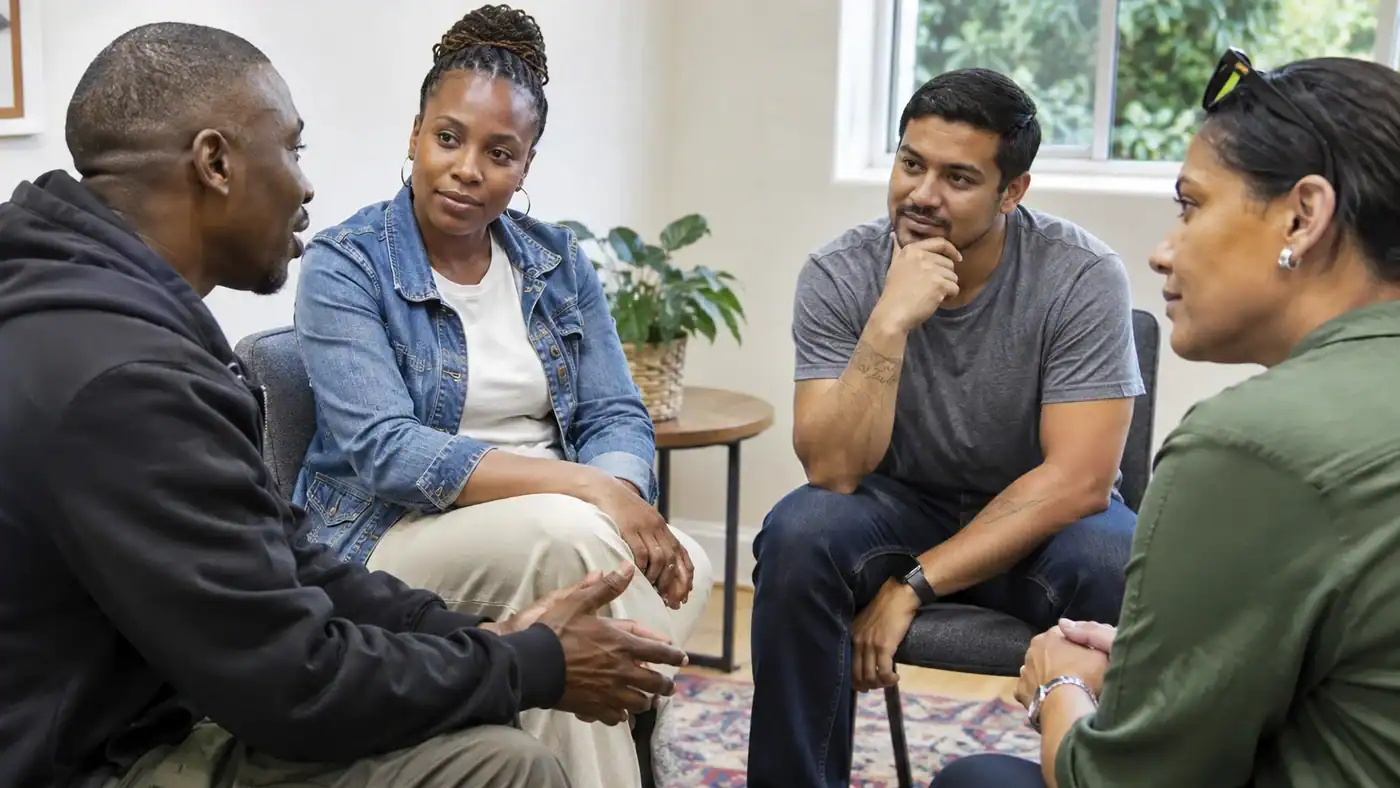
Peer support offers connection with people who understand recovery.
Connecting with others who understand the realities of addiction and recovery can reduce shame and create a sense of belonging. Sharing experiences, challenges, and achievements within a supportive environment often strengthens motivation and hope.
Recovery communities remind individuals that seeking support is not a sign of weakness. It is often an important part of maintaining wellness.
Cherrywood House’s Approach to Ongoing Recovery Support
At Cherrywood House, we recognise that recovery extends beyond residential treatment.
Clients who complete our residential programme are encouraged to attend our weekly aftercare group sessions. These groups provide an opportunity for individuals to remain connected with peers, reflect on their experiences, and continue engaging with the principles of recovery.
The groups create a space where participants can:
- Share successes and challenges.
- Receive encouragement from others in recovery.
- Maintain a sense of connection and community.
- Reinforce the insights and skills developed during treatment.
While recovery journeys differ from person to person, ongoing participation in supportive recovery environments can play an important role in sustaining positive change.
Frequently Asked Questions
What is aftercare in addiction recovery?
Aftercare refers to the support available after completing a residential treatment programme. It helps individuals navigate the transition back into everyday life while maintaining their recovery.
Is aftercare necessary?
Every person’s recovery journey is unique. However, many individuals benefit from continued support, connection, and accountability following residential treatment.
What happens during aftercare group sessions?
Group sessions provide an opportunity for people in recovery to share experiences, discuss challenges, offer support to one another, and remain engaged in the recovery process.
Does Cherrywood House offer aftercare?
Yes. Clients who complete treatment at Cherrywood House are encouraged to attend our weekly aftercare group sessions.
How long does recovery take?
Recovery is an ongoing process rather than a single event. Different individuals require different forms and durations of support as they build and maintain meaningful lives in recovery.
Recovery Is a Continuing Journey
Residential treatment can provide the foundation for change, but recovery continues long after a programme has ended.
Seeking support, remaining connected to others, and continuing to invest in personal growth can make a meaningful difference in maintaining long-term recovery.
If you would like to learn more about treatment at Cherrywood House, our team is available to answer your questions and guide you through the admissions process.
Contact Cherrywood House on +27 79 714 1966 or email info@cherrywoodhouse.com.
Related Cherrywood House support
Need confidential, professional support? Speak with Cherrywood House about the right next step.

